

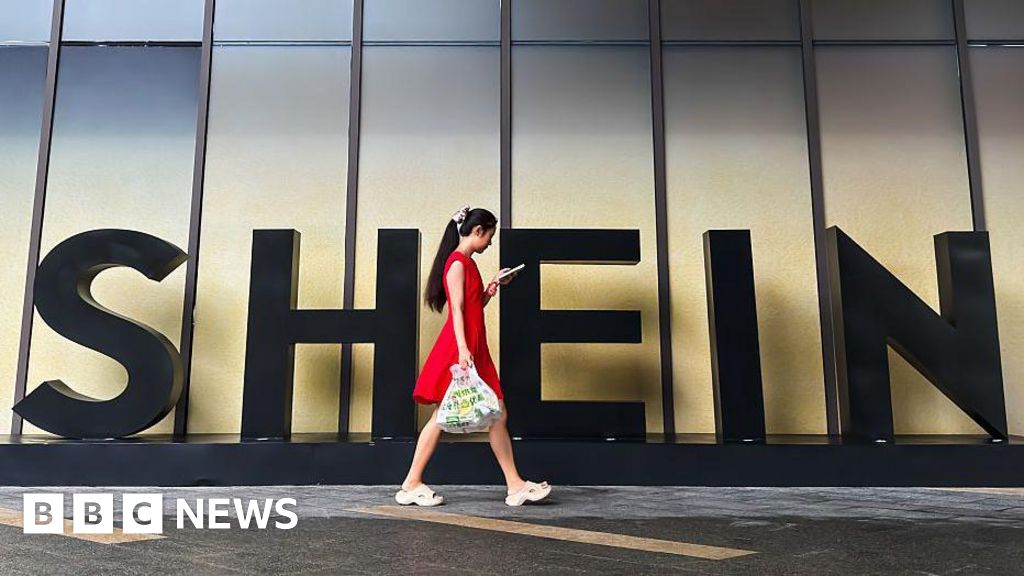
Fast fashion powerhouse Shein is preparing for a high stakes entrance into the public market, announcing plans to list its shares in Hong Kong starting September 1. According to recent filings, the company intends to raise up to 13.86 billion Hong Kong dollars by offering nearly 280 million shares. If the offering hits the top of its projected price range, Shein could see a valuation approaching 27 billion dollars. While still a massive figure, this represents a significant drop from the staggering 100 billion dollar valuation it achieved during private fundraising back in 2022, signaling a cooling period driven by slower sales growth and rising operational expenses.
The decision to pivot toward Hong Kong follows several unsuccessful attempts to launch an IPO in London and the United States. Those efforts were largely derailed by intense regulatory scrutiny regarding the company’s Chinese roots and its Singaporean headquarters. Despite these hurdles, Shein has secured backing from heavyweights such as Goldman Sachs, Morgan Stanley, and JPMorgan to navigate this transition. However, the financial timing is tricky; the retailer reported a loss of 99 million dollars in the first quarter of this year, a sharp reversal from the profit it saw during the same window last year.
Beyond internal finances, external geopolitical tensions are weighing heavily on the brand. Ongoing trade frictions between the US and China, along with conflicts in regions like Iran, have disrupted delivery schedules and inflated shipping costs. To combat these pressures and potential new tariffs, Shein has indicated it may be forced to raise prices for American consumers. This strategy risks eroding its primary competitive advantage: providing ultra cheap clothing at speeds that leave traditional rivals like Zara and H&M struggling to keep pace.
Market analysts warn that Shein is facing a narrowing price gap with other budget retailers due to changes in tax exemptions that once allowed them to ship small packages into the US duty free. These economic headwinds arrive alongside persistent criticism over the company’s environmental footprint and recurring allegations concerning forced labor within its complex supply chain. Although Shein maintains a zero tolerance policy for forced labor, investors remain cautious about how these ethical concerns and tightening regulations might affect its ability to maintain its rapid global expansion across more than 150 countries.