

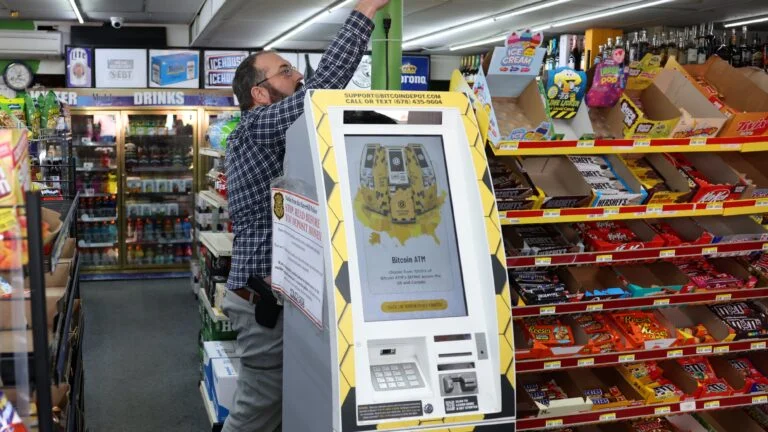
A growing number of Massachusetts towns are taking a hard line against cryptocurrency kiosks, with twenty communities now banning the machines to combat a surge in financial fraud. These devices, often found in gas stations and convenience stores, allow users to swap cash for digital currency instantly. While marketed as convenient access to the crypto market, law enforcement officials warn that they have become primary tools for scammers who trick victims into sending untraceable payments for fake fines or emergency fees.
The scale of the problem is reflected in staggering loss figures. Recent FBI data indicates that Massachusetts residents lost over 6.8 million dollars to crypto kiosk scams in 2025 alone, averaging nearly 19,000 dollars a day. Some stories are particularly heartbreaking, such as a woman battling cancer who lost thousands of dollars provided by her prayer group after being targeted by fraudsters. In Haverhill, investigators tracked half a million dollars in losses back to just seven local machines, prompting police to physically disconnect equipment from storefronts.
Because municipal bans can be bypassed by simply driving to a neighboring town, there is significant pressure for a statewide prohibition. All fourteen county sheriffs recently urged lawmakers to act, noting that these machines make it nearly impossible for authorities to recover stolen funds once they enter a digital wallet. This push comes alongside legal action from Attorney General Andrea Joy Campbell, whose office filed suit against Bitcoin Depot, alleging that a vast majority of high-value users at certain locations were actually victims of scams.
While some industry representatives argue that regulation and better consumer protections would be more effective than an outright ban, the momentum appears to be shifting toward restriction. The state Senate has already approved a ban as part of an economic development bill, though its ultimate fate rests with a conference committee resolving differences with the House version. As it stands, Massachusetts remains the only New England state without regulations on these kiosks, leaving many local leaders wondering why they should wait for more victims before closing the door on the technology entirely.