

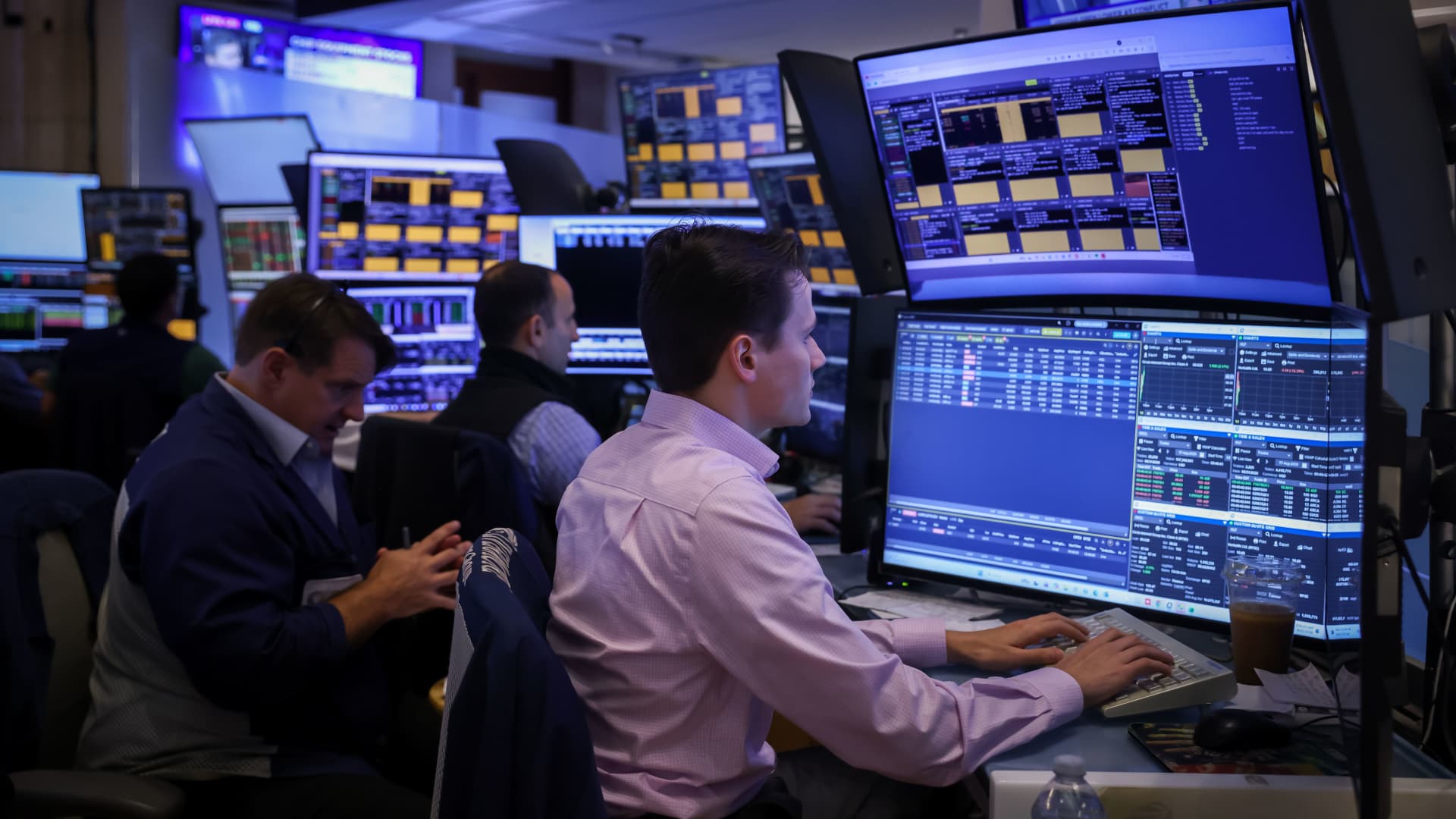
The atmosphere on Wall Street has shifted noticeably over the past several days as investors begin to question whether artificial intelligence stocks have climbed too high, too fast. After months of unchecked optimism and skyrocketing valuations, traders are now signaling a move toward a more defensive posture. The prevailing sentiment suggests that while the long term potential of AI remains intact, the immediate expectations for growth have reached a ceiling that few companies can realistically sustain without flawless execution.
This strategic pivot comes as analysts raise the bar for what constitutes success in the tech sector. It is no longer enough for a company to simply mention generative AI during an earnings call to see its stock price jump. Investors are now demanding concrete evidence of monetization and tangible returns on the massive capital expenditures being poured into data centers and chips. This transition from hype to accountability has left many portfolio managers trimming their positions in high flying semiconductor firms to lock in gains before any potential correction occurs.
By playing defense, market participants are diversifying away from concentrated bets on a handful of mega cap tech giants and rotating back into value plays or stable dividends. There is a growing sense that the low hanging fruit of the AI rally has been plucked, leaving only the most disciplined investors to navigate the volatility ahead. While some argue this is merely a healthy consolidation phase, others fear it marks the beginning of a broader cooling period for the technology trade.
Ultimately, the current tension reflects a classic tug of war between visionary enthusiasm and fiscal reality. As Wall Street demands higher benchmarks for performance, the industry enters a proving ground where software capabilities must translate directly into corporate profits. For now, caution has become the new currency among institutional traders who would rather be slightly behind a rally than caught holding overpriced assets during a downturn.