

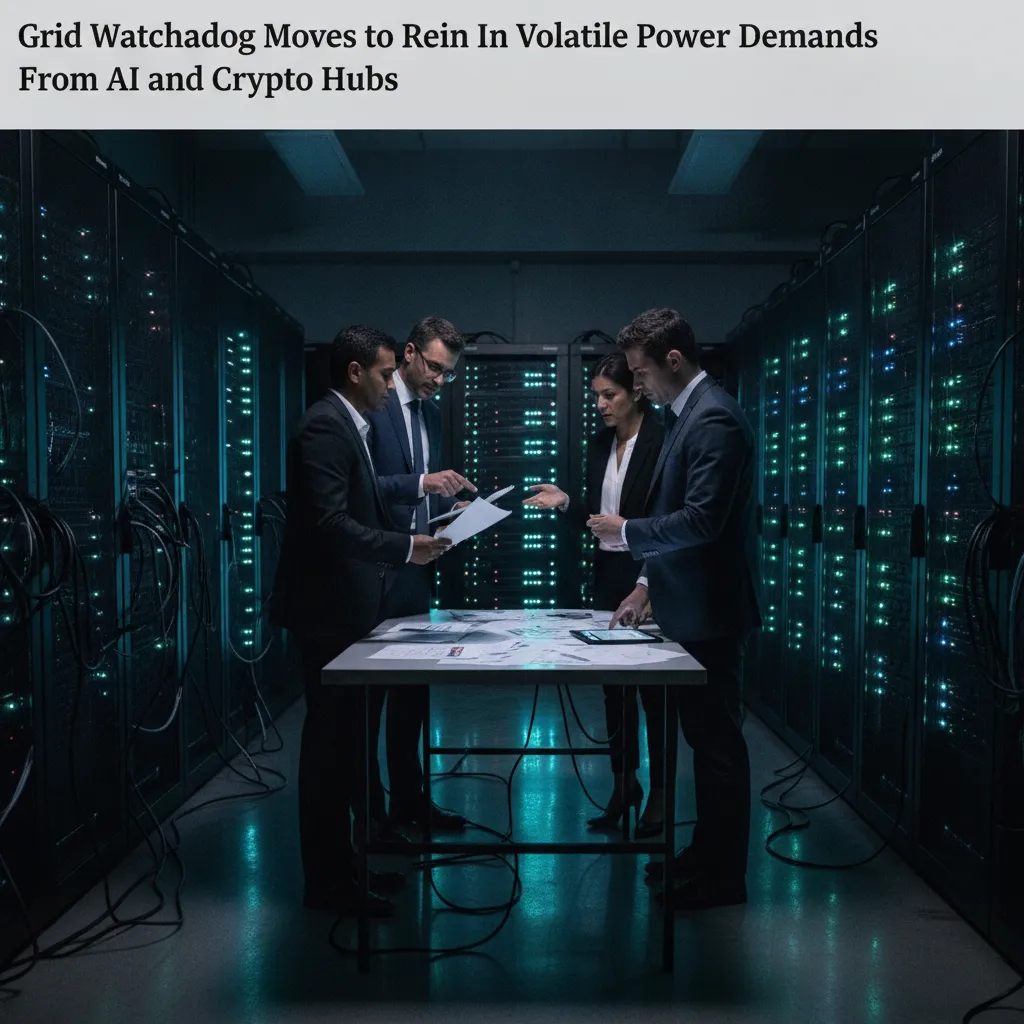
North American electric grid regulators are moving closer to implementing strict new reliability standards for the massive energy consumers powering the artificial intelligence boom and cryptocurrency mining. Stakeholders within the North American Electric Reliability Corporation recently approved a set of guidelines aimed at stabilizing the bulk power system, which has faced increasing pressure from high intensity computational loads. These rules now move toward a final vote by the NERC Board of Trustees before heading to federal regulators for ultimate sign off.
The push for these regulations follows a series of alarming incidents where data centers caused sudden drops in load or rapid oscillations in demand, creating instability across regional grids. To manage these risks, NERC previously issued emergency alerts, but officials say permanent rules are necessary as electricity demand surges after years of stagnation. Projections suggest summer peak demand could climb by 224 gigawatts over the next decade, driven largely by the expanding footprint of digital infrastructure.
Under the proposed framework, any computational facility with a load of 50 megawatts or more connected at voltage levels of at least 100 kilovolts would fall under these mandates. The rules focus heavily on better transparency and technical synchronization, requiring operators to provide detailed modeling data and maintain clear communication protocols with grid coordinators. By forcing these facilities to share precise operational data, transmission operators hope to predict spikes and prevent localized failures from cascading into wider blackouts.
If adopted during the current quarterly review process, these standards will fundamentally change how tech giants and mining firms integrate their hardware into the national energy architecture. Rather than operating as isolated islands of consumption, these sites will be required to coordinate closely with balancing authorities through standardized reporting and disturbance monitoring tools. This shift represents a critical effort to modernize grid management in an era where software demands can suddenly reshape physical power availability.