

Bitcoin struggled to maintain its momentum on Wednesday, sliding toward the 84,000 dollar mark after failing to break through recent resistance levels. While the cryptocurrency managed to match Monday’s peak near 87,300 dollars early in the session, it quickly encountered heavy selling pressure. This downturn mirrored a broader retreat in risk assets, with Ethereum, Solana, and XRP all seeing losses of approximately three percent as investors reacted to shifting macroeconomic conditions.
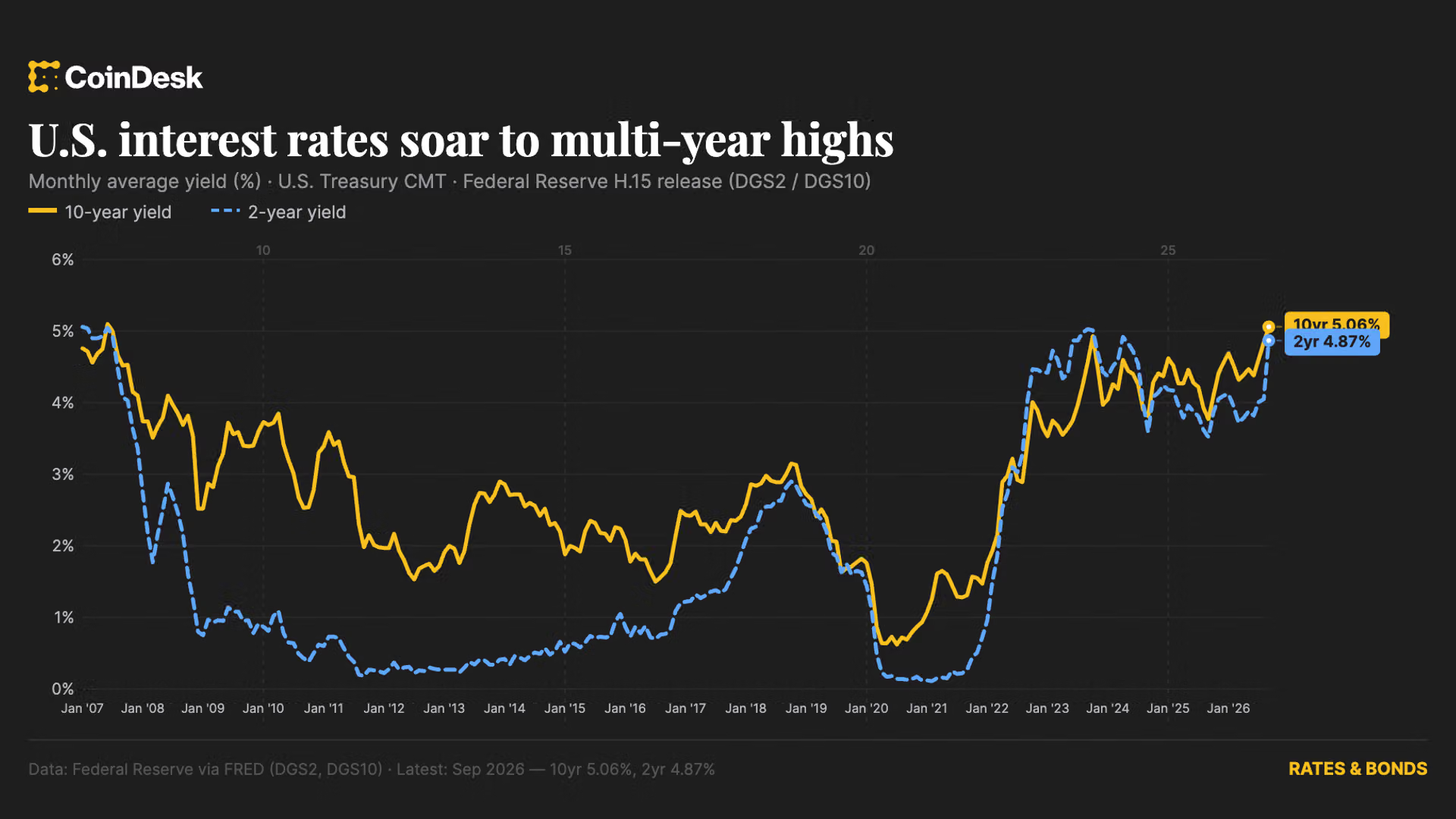
The primary catalyst for the selloff appears to be a sharp rise in global interest rates and a strengthening U.S. dollar. The U.S. 10 year Treasury yield climbed significantly to reach a nearly twenty year high of 5.06 percent, while similar spikes were seen in German and Italian bonds. Stronger than expected manufacturing and services data further fueled expectations that the Federal Reserve might keep rates higher for longer, pushing the Nasdaq down over one percent as tech giants like Google and Amazon faced declines.
Despite the struggle for Bitcoin, other corners of the crypto market saw surprising gains. Bitcoin Cash surged 28 percent following news that CME Group will list futures for the token starting October 19, providing institutional investors with easier access to positions without needing direct custody of the coins. Meanwhile, analysts from Bitwise suggested that an altcoin season may be beginning, noting that nine out of ten tracked altcoins have outperformed Bitcoin over the last seven days.
Adding to the current volatility is an upcoming quarterly options expiry on Friday involving roughly 18 billion dollars in contracts centered around 85,000 dollars. Traders are wary that once these positions settle, the bullish hedging that supported recent rallies could evaporate, leading to increased price swings heading into October. Amidst this turbulence, observers noted a rare movement from a dormant wallet containing 600 Bitcoin held since 2012, though there is little evidence yet that this represents imminent selling pressure on the open market.