

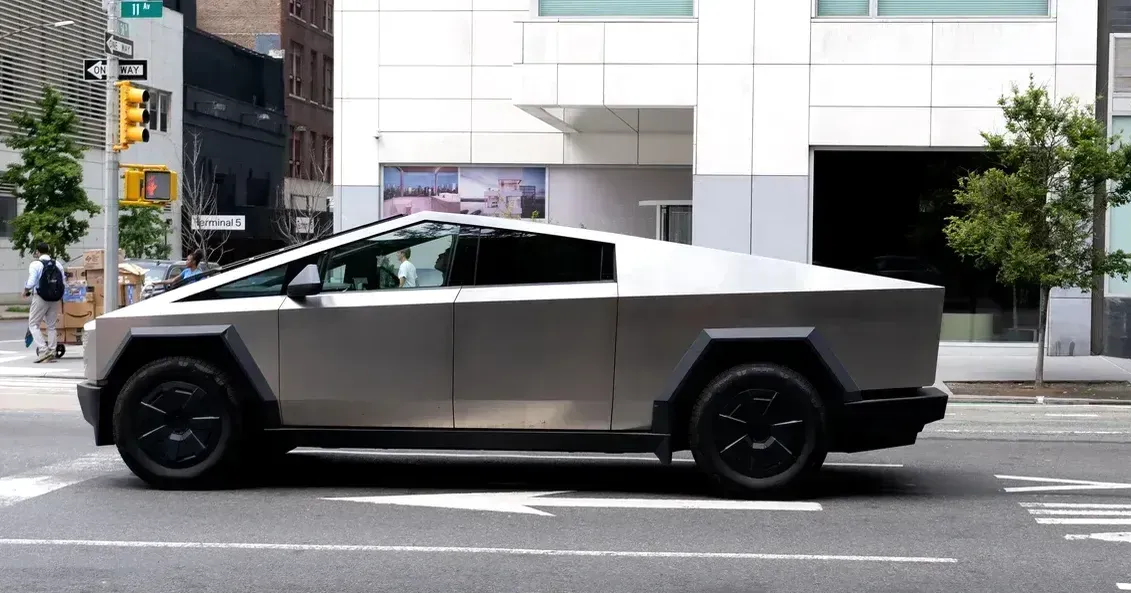
The futuristic silhouette of the Cybertruck may soon become a relic of the past. Elon Musk announced on Friday that Tesla plans to phase out production of its polarizing stainless steel pickup at the Texas gigafactory by mid 2027. This strategic pivot is designed to clear floor space for the Cybercab, Tesla’s autonomous ride hailing vehicle, signaling a definitive shift in priorities toward a driverless future. While some fans may be disappointed, Wall Street responded positively to the news, sending Tesla shares up nearly five percent as investors embrace the transition toward robotics and AI.
Since its flashy debut in 2019, the Cybertruck was marketed as an indestructible rolling fortress capable of weathering everything from sledgehammers to gunfire. However, reality proved less polished than the prototype. The vehicle struggled throughout its short lifespan with persistent quality control issues and a series of recalls involving faulty pedals and cameras. These technical hurdles were compounded by lackluster sales numbers that fell far short of Musk’s initial projections of 250,000 units per year, with recent data showing a significant dip in registrations compared to previous periods.
Industry analysts suggest that the high price point and niche appeal made the sunsetting of the truck inevitable. Dan Ives of Yorkville Ives and Company noted that the writing was already on the wall given the cooling demand for such an expensive and unconventional utility vehicle. Beyond market forces, the truck also became a target for political protesters who viewed it as a symbol of Musk’s growing influence within government circles, leading to sporadic acts of vandalism at various dealerships across the country.
As Tesla leans into its robotaxi era, it is focusing all available resources on vehicles like the Cybercab, which lacks both a steering wheel and pedals entirely. With production already underway in Austin, Tesla is betting that autonomy will drive more growth than luxury pickups ever could. Some observers believe this evolution might lead to further corporate restructuring, including speculation about potential ties between Tesla and SpaceX to secure additional computing power and capital for these ambitious technological leaps.