

Costco has built one of retail’s most distinctive businesses by giving shoppers a reason to walk through its warehouse doors.
Now, the retail giant is giving members a reason to stay home.
Costco and Uber recently expanded their Uber Eats partnership, offering delivery from nearly 600 Costco locations across 47 states, up from 17 states previously.
“We are thrilled to expand our partnership with Costco nationwide, giving Costco members more ways to shop and bringing the brand’s storied selection and value to more consumers,” said Uber CEO Andrew Macdonald.
“Costco is one of the largest and most trusted retailers in the country for good reason, and our nationwide partnership demonstrates the scale and opportunity Uber can bring to retailers looking to meet more of consumers’ everyday shopping needs.”
For customers, expanded delivery is undeniably convenient. For Costco, however, that convenience comes at a potential cost.
Costco’s treasure hunt is a core part of the business model
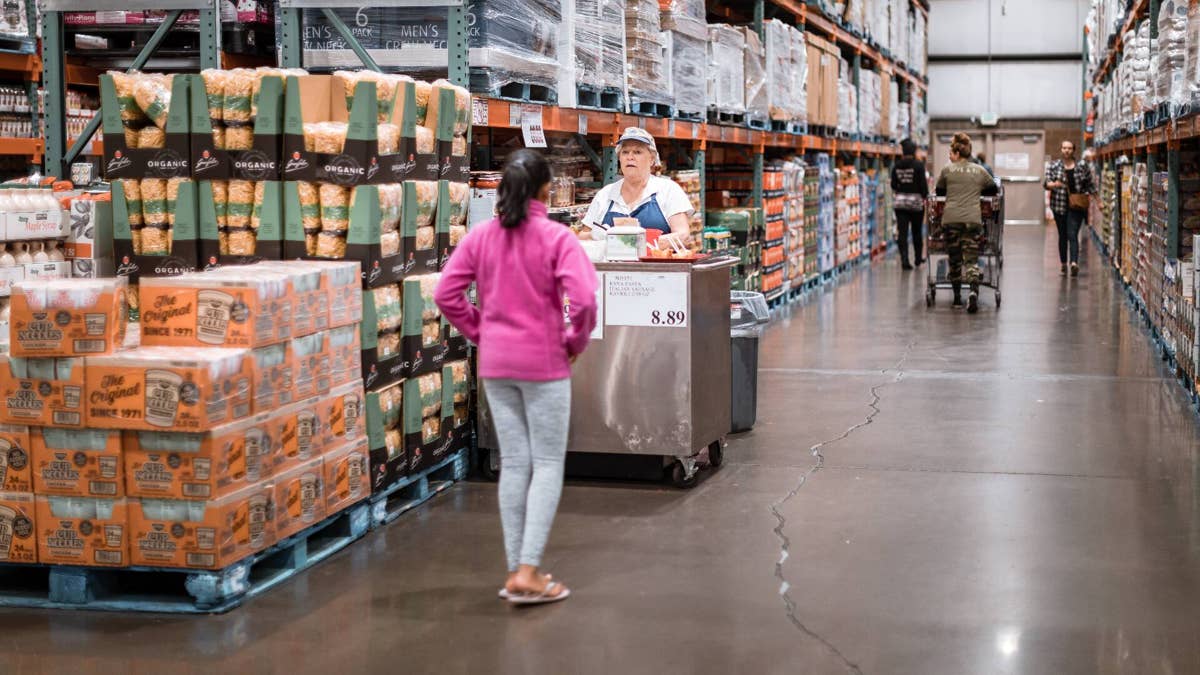
If you’ve ever walked into a warehouse club store looking for paper towels or a rotisserie chicken and left with a television, seasonal decor, or clothing item, you’ve had the true Costco treasure-hunt experience.
A big reason Costco does so well is that it constantly rotates inventory to keep members excited. And new inventory tends to inspire impulse buys — hence the “come in for milk and leave with a kayak” scenario so many shoppers can relate to.
That behavior, however, is difficult to replicate through a delivery app.
Uber’s expanded Costco service essentially turns the warehouse into a digital catalog. That may be useful when a member needs a specific product quickly. But it removes one of Costco’s most powerful selling mechanisms: unplanned purchases.
The concern is particularly relevant because Costco has historically been more cautious about delivery than many of its competitors. The company already offers same-day delivery through Instacart, but Costco’s same-day service includes a markup to cover the delivery service.
The Uber expansion takes that convenience considerably further. And while it could help Costco attract new members, it also gives existing members another reason not to visit a warehouse.
Sam’s Club takes a different approach to convenience
There’s long been an interesting contrast between Costco and Walmart-owned Sam’s Club.
Sam’s Club offers curbside pickup, allowing members to order through its website or app, drive to the club, and have employees load the merchandise into their vehicle. The service is designed to give shoppers the convenience of ordering ahead without requiring them to walk through the store.
More Retail:
- Costco sees major shift in member behavior
- Retail chain shuts all locations as legal changes hit industry
- Costco makes major investment in online shopping for members
Costco does not offer the same curbside pickup option because the company specifically wants members roaming the aisles. The new Uber partnership works against that goal.
Now for Sam’s Club, the hope is that added convenience will sway members to stay loyal.
But Costco already has a loyal membership base. During its third-quarter 2026 earnings call, the company touted its 92.2% renewal rate across the U.S. and Canada.
In other words, Costco doesn’t necessarily have to convince shoppers to ditch Sam’s Club or stay within its ecosystem. It simply needs them to keep buying extra stuff.
By partnering with Uber, Costco is making life more convenient for members. But that may come at the expense of its bottom line.
And if Costco experiences a decline in revenue, the company might have to take other steps, like raising prices.
This is something Costco typically goes out of its way not to do. But the economics of running a massive warehouse club business have to make sense. And if Costco loses out on impulse purchases due to an uptick in delivery, it will have to compensate somehow.
Maurie Backman owns shares of Costco.