

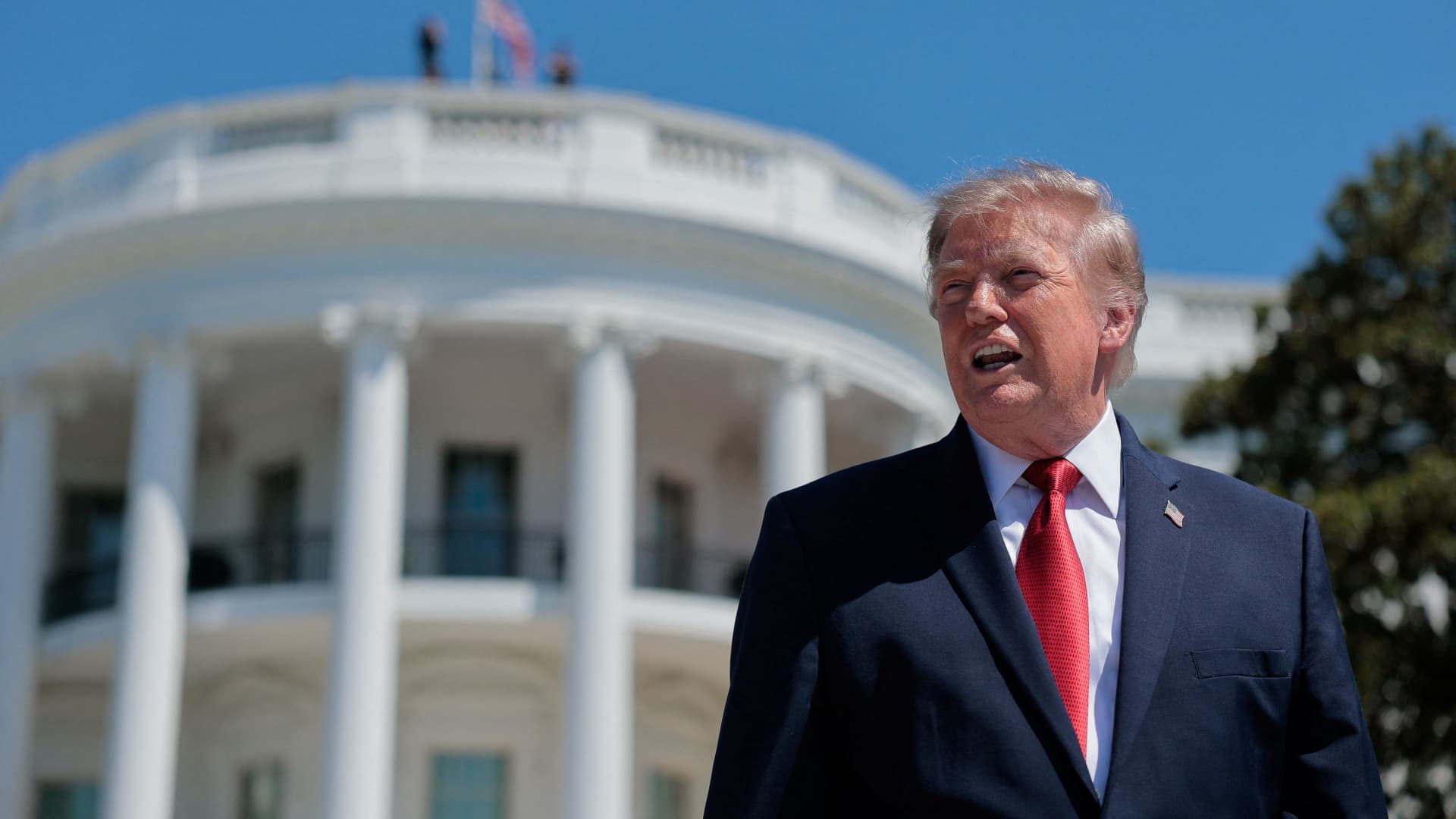
Donald Trump has undergone a significant overhaul of his investment portfolio, executing more than one thousand financial transactions during the month of June. According to a recent filing submitted on August 22, the president engaged in a whirlwind of activity across stocks, bonds, and exchange traded funds, with totals ranging from 78.1 million to 263.1 million dollars. While the documents provide a glimpse into these shifts, they offer an imprecise map of his overall wealth because the figures are reported in ranges rather than exact sums.
Among the most notable moves occurred on June 18, following a period of market volatility linked to monetary policy concerns. On that day, Trump shed positions in Meta and Motorola, selling between one and five million dollars of each. Simultaneously, he pivoted toward stability and growth by purchasing similar amounts in Berkshire Hathaway, Visa, Mastercard, and Cintas. This strategic pivot followed closely on the heels of Federal Reserve Chairman Kevin Warsh’s first meeting, coinciding with a broader market rebound.
The reshuffle extended deep into specialized sectors and index funds. One of the largest single exits was a sale of Vanguard Dividend Appreciation Index Fund ETF shares valued between five and twenty five million dollars. Meanwhile, Trump showed an appetite for home improvement and information services through multimillion dollar investments in Home Depot and Fidelity National Information Services. His activities also touched upon volatile crypto markets via Coinbase trades during a Bitcoin slump and various plays within the defense sector involving companies like Palantir Technologies and RTX.
Despite the sheer volume of trading activity occurring while he holds office, the White House maintains that there are no ethical lapses involved. A spokesperson previously noted that the president’s assets are held in a trust managed by his children to prevent conflicts of interest. The administration continues to insist that Trump remains focused solely on the interests of the American public regardless of how his private portfolio fluctuates alongside global events such as peace deals or shifting economic policies.